
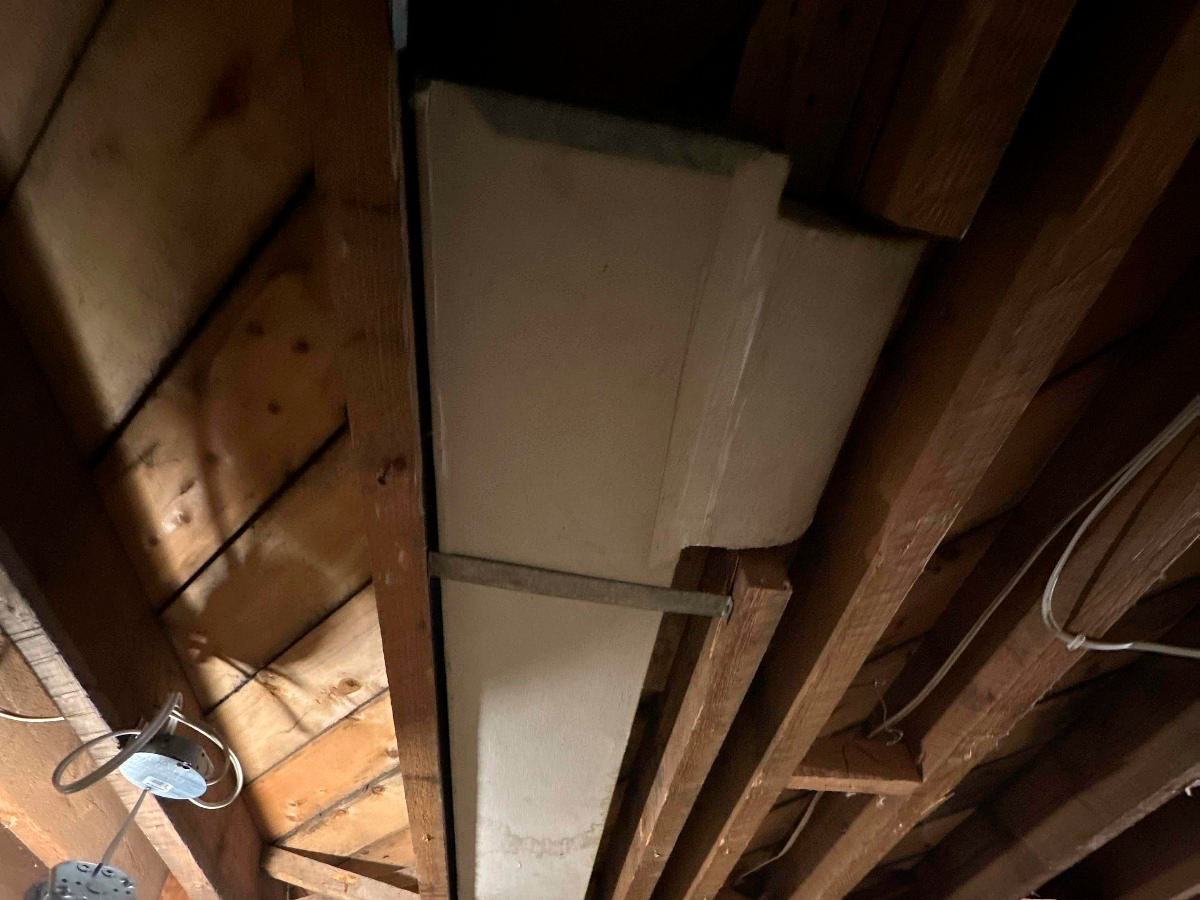
Renovating an older home in Edmonton can bring a few surprises. You might pull up some old flooring, start working on a basement ceiling, or discover insulation that hasn’t been touched in decades. Then someone raises the possibility of asbestos, and suddenly there’s something else to think about before the renovation can continue.
For most homeowners, the concern isn’t just the asbestos itself. It’s not knowing what happens next. Will parts of the house need to be closed off? How long will the work take? And how can you be sure the area is safe once everything is finished?
These are reasonable questions, especially if you’ve never dealt with asbestos before.
professional asbestos removal in Edmonton involves more than taking out old building materials. There’s testing, planning, containment, careful removal, and a final check before the affected space can be used again. Here’s what that process generally looks like.
Step 1: Checking for Asbestos Before Work Begins
The first thing to understand is that asbestos isn’t something you can identify by sight.
Many older Canadian homes contain materials that were manufactured with asbestos, including certain types of insulation, ceiling textures, vinyl floor tiles, and drywall joint compounds. Two materials can look almost identical, yet only one may contain asbestos.
That’s why testing comes before demolition.
An asbestos inspector examines the materials that could be affected by your renovation and collects samples when necessary. Those samples are sent to a laboratory to determine whether asbestos is present.
If the results are positive, the next decision isn’t automatically to remove everything. The condition of the material matters, along with where it’s located and whether the planned work will disturb it.
For example, an intact material that will remain untouched may be managed differently from an old ceiling that needs to come down.
The inspection helps establish what actually needs to be done instead of making assumptions based on the age of the property. You can also learn more about CRS Edmonton’s abatement services for older properties.
Step 2: Working Out a Plan for the Removal
Once the testing results are available, the contractor can assess the scope of the job.
Removing asbestos-containing floor tiles from a small room doesn’t involve the same considerations as removing deteriorating insulation from an attic. The type of material, its condition, and the likelihood of releasing airborne fibres all influence how the work must be handled.
In Alberta, asbestos work is classified as low, moderate, or high risk. Each category has different safety requirements.
Contractors must also comply with provincial Occupational Health and Safety regulations. Under Alberta’s OHS Code, employers responsible for asbestos removal or renovation work that may release asbestos fibres must notify the appropriate authority at least 72 hours before those activities begin.
For homeowners, this planning stage is a good opportunity to ask practical questions.
Find out which rooms will be affected, whether furniture needs to be moved, and if anyone can remain in the home during the work. You should also discuss the expected schedule and what could cause delays.
A contractor should be able to walk you through the proposed work in plain language. You don’t need to understand every technical detail, but you should know what to expect inside your own home.
Step 3: Separating the Work Area from the Rest of the Home
Before removal begins, the crew prepares the area to control the spread of asbestos fibres.
Depending on the project’s risk level, this may involve sealing doorways, covering openings with polyethylene sheeting, and isolating heating or ventilation systems.
For higher-risk projects, workers may install negative air pressure equipment fitted with HEPA filtration. These systems help keep air moving into the contained area rather than allowing potentially contaminated air to escape into adjoining rooms.
There may also be designated entry and exit procedures for workers, including decontamination facilities where required.
If you’re living in the property, this stage can feel disruptive. A room you normally walk through might suddenly be inaccessible, and the temporary barriers can make familiar spaces look quite different.
Those restrictions are an important part of the work. They help protect areas of the home that aren’t involved in the removal.
You should avoid entering the contained space unless the contractor confirms that it’s safe and appropriate to do so.
Step 4: Removing and Packaging the Materials
Once the work area is ready, trained workers begin removing the asbestos-containing materials.
The techniques used depend on what is being removed and the level of risk involved. Workers use appropriate respiratory protection, protective clothing, and methods intended to limit the release of airborne fibres.
Materials may be dampened to help control dust where this is suitable. The crew also takes care to avoid unnecessary cutting, breaking, or other disturbance that could release fibres.
As the materials come out, they’re placed into appropriate sealed and labelled waste containers.
Asbestos waste can’t simply be treated like ordinary renovation debris. Alberta has specific requirements for how it must be contained, labelled, transported, and disposed of.
This is one of the reasons asbestos removal should never be approached like a regular demolition job. The physical act of removing an old tile or section of insulation may not look particularly difficult. The challenge is preventing fibre exposure throughout the process.
Step 5: Cleaning Up After the Removal
Taking out the asbestos-containing materials is only part of the job.
Even when removal has been carefully controlled, the work area needs a thorough cleanup before it can be assessed for reuse.
Workers use specialized equipment, including HEPA-filtered vacuums and wet-cleaning techniques, to address remaining dust and debris. Surfaces, corners, ledges, and other areas where particles could settle need attention.
Some projects may also involve applying a sealing product to exposed surfaces as part of the cleanup procedure.
This is not the kind of cleaning that can be done with a household vacuum or a broom. Ordinary cleaning methods can disturb contaminated dust and potentially spread fibres.
The contractor should complete the required cleaning procedures before moving on to the final inspection.
Step 6: Checking the Space Before It’s Used Again
Once the removal and cleanup are complete, the affected area needs to be assessed to determine whether the applicable clearance requirements have been met.
What this involves depends on the project.
A visual inspection is an important part of checking that no visible asbestos-containing debris or dust remains. Some projects, particularly higher-risk work, may also involve clearance air monitoring.
During air monitoring, samples are collected and analyzed to measure airborne fibre concentrations. Alberta’s asbestos abatement guidance recommends final air monitoring results below 0.01 fibres per cubic centimetre.
Independent environmental consultants may be brought in to perform clearance inspections or testing, depending on the project’s requirements.
When the appropriate checks have been completed and the results are satisfactory, the remaining containment can be removed and the affected area returned to use.
Before the contractor leaves, ask for the relevant paperwork. This may include laboratory results, waste disposal documentation, and a clearance report where applicable.
Keeping these records can be useful if you plan additional renovations or need to provide information about the work in the future.
How Much Time Should You Allow for Asbestos Removal?
This is often one of the first things homeowners want to know, particularly when other contractors are scheduled to begin renovation work.
Unfortunately, there isn’t a standard timeline that fits every property.
A small, accessible area may be relatively straightforward. Removing asbestos from multiple rooms, difficult-to-reach spaces, or deteriorated insulation can require considerably more preparation and cleanup.
Laboratory testing, notification periods, containment requirements, and clearance procedures can also affect the schedule.
If you have a renovation deadline, discuss it with the asbestos contractor before arranging the next stage of construction.
It’s better to build some flexibility into the schedule than to have other trades arrive before the affected area has been cleared for work.
What Should You Do If You Suspect Asbestos in Your Home?
If you’re renovating and discover a material that might contain asbestos, avoid disturbing it until you know what it is.
Don’t scrape, sand, drill, or remove the suspected material to see what’s underneath. Arrange for an appropriate assessment instead.
It’s also worth remembering that finding asbestos doesn’t always mean every affected material must be removed. In some circumstances, materials can be safely managed in place, depending on their condition and whether they’re likely to be disturbed.
A professional assessment can help you understand the available options and what makes sense for your renovation.
Moving Forward with Your Renovation
Discovering asbestos in an older Edmonton property can be frustrating, particularly when you’ve already made plans and set a budget for the work.
Still, asbestos doesn’t have to bring the entire renovation to a halt.
What matters is identifying the material correctly, understanding the risks, and making sure the necessary precautions are followed from the first inspection through to final clearance.
If you’re planning a renovation and think you may need asbestos removal in Edmonton, arranging an inspection is a sensible place to start. You’ll have a better understanding of what you’re dealing with, what work may be required, and how to plan the next steps without creating unnecessary exposure risks.